

patientsYour Treatment Options
The good news: there are effective treatments for PAD at every stage.

Your doctor will recommend an approach based on how severe your PAD is, your overall health, and your goals. Most people with PAD are treated with a combination of lifestyle changes, medication, and, when needed, a procedure to open the blocked artery.

Lifestyle Changes
For mild to moderate PAD, lifestyle changes can make a real difference and they’re recommended for everyone with PAD, regardless of other treatments:
Quitting smoking: the single most important thing you can do to slow PAD progression
A supervised walking program: regular exercise helps your legs build new pathways around blocked arteries
A heart-healthy diet: reducing saturated fats, sugar, and processed foods
Managing diabetes, blood pressure, and cholesterol: keeping these under control slows plaque buildup
Medications
Your doctor may prescribe medications to help manage PAD and reduce your risk of complications. Common medications include blood thinners to reduce clotting risk, cholesterol-lowering drugs (statins), blood pressure medications, and medications to help with walking pain.
Medications don’t open blocked arteries, but they protect your overall cardiovascular health and slow the progression of PAD.

Procedures to Open the Artery
When lifestyle changes and medications aren’t enough or when PAD is more severe, your doctor may recommend a procedure to restore blood flow. There are two main approaches:
Endovascular Procedures (Minimally Invasive)
These procedures are done through a small puncture, usually in the groin or wrist, rather than open surgery. A thin tube called a catheter is guided through your arteries to the blockage. Your doctor then uses tools through the catheter to open the artery. Recovery is typically faster than surgery, and most patients go home the same day or the next morning.
Surgical Bypass
In some cases, especially for complex or long blockages, your surgeon may recommend a bypass. This involves creating a new path for blood flow around the blocked artery, using either a vein from your own body or a synthetic graft. Bypass surgery is more involved than endovascular procedures but can be the right choice for certain patients.
Endovascular Tools
If your doctor recommends an endovascular procedure, there are several tools they may use to open your artery. They may use one or more depending on the location and nature of your blockage:
Standard Balloon Angioplasty
A small balloon is inflated inside the blocked artery to push the plaque against the walls and widen the channel. It’s one of the oldest and most common tools, but on its own, the artery can sometimes narrow again (called recoil) shortly after the balloon is deflated. This can lead to reintervening through endovascular procedures again.
Stenting
A stent is a small metal mesh tube that is placed inside the artery to hold it open after angioplasty. Stents are very effective but aren’t always preferred because some arteries that bend and flex with movement, leading to stents fracturing over time.
Atherectomy
A device is used to physically remove or cut away the plaque buildup from inside the artery. There are several types of atherectomy devices, your doctor will choose based on the type and location of your blockage.
Serration Remodeling Therapy (SRT)
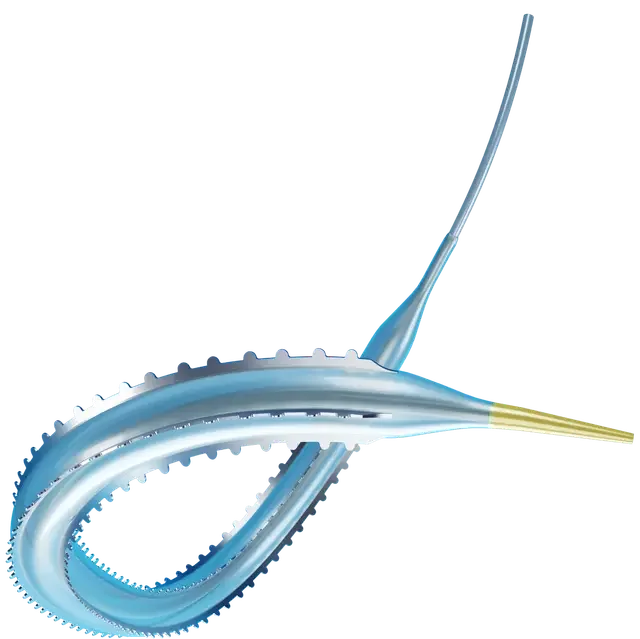
A newer approach that uses the Serranator, a specially designed balloon with tiny stainless-steel strips along its surface. Instead of simply stretching the artery wall like a standard balloon, it applies precise, focused pressure to create a controlled opening of the plaque against the vessel walls.

Talking to Your Doctor About Your Treatment Options
It’s okay to ask questions. In fact, your doctor wants you to. Understanding your options helps you make the best decision for your health and asking the right questions can open the door to treatments you might not have heard about yet.
ABOUT YOUR Options
What treatment options are available to me, and what do you recommend for my situation?
Is a procedure to open my artery appropriate for me right now, or should we try other approaches first?
If I need a procedure, would I be a candidate for a minimally invasive option?
What are the risks of the procedure you’re recommending, and what happens if I choose not to have it?
ABOUT SRT and Serranator
Have you used the Serranator balloon, or Serration Remodeling Therapy, for patients like me?
Based on where my blockage is and what it looks like, do you think SRT could be a good option for me?
How does the Serranator compare to a standard balloon or a stent for my type of blockage?
What outcomes have you seen with this approach in your practice?
ABOUT RECOVERY AND FOLLOW-UP
How long is the recovery? When can I get back to my normal activities?
Will I need medication after the procedure, and for how long?
How often will I need follow-up visits, and what will you be monitoring?
What symptoms should prompt me to call you or go to the emergency room?
Tip: Bring this list to your appointment
Print this page or save it on your phone to bring to your next doctor’s visit. It can be hard to remember everything you wanted to ask in the moment having it written down helps. You can also ask a family member or caregiver to come with you and help take notes.
Is the Serranator right for me?
If you’ve been diagnosed with PAD or if you’re experiencing symptoms and haven’t yet spoken to a specialist the most important thing you can do is connect with a vascular physician who can evaluate your individual situation.
Only your doctor can determine the right treatment for your specific situation. The Serranator is FDA-cleared for treating blockages in the leg arteries, from the iliac (near the hip) down to the pedal (foot) vessels, as well as for dialysis access fistulas.
A vascular specialist (interventional radiologist, vascular surgeon, or interventional cardiologist) can perform a thorough assessment, review your imaging, and discuss all available treatment options with you including whether Serration Remodeling Therapy might be right for you.
Important Safety Information
The Serranator PTA Serration Balloon Catheter is intended for use in the treatment of lesions in the peripheral arteries of the lower limbs and for the treatment of obstructive lesions of native or synthetic arteriovenous dialysis fistulae. As with all medical procedures, there are risks associated with the use of this device. Please talk to your doctor about whether this treatment is right for you. Refer to the Instructions for Use for complete information on indications, contraindications, warnings, and precautions.
DISCLAIMER
This page is intended to provide general educational information about peripheral artery disease and available treatment options. It is not intended as medical advice. Always consult your physician or qualified healthcare provider regarding your individual health situation and treatment decisions.